Research
Optical Metrology
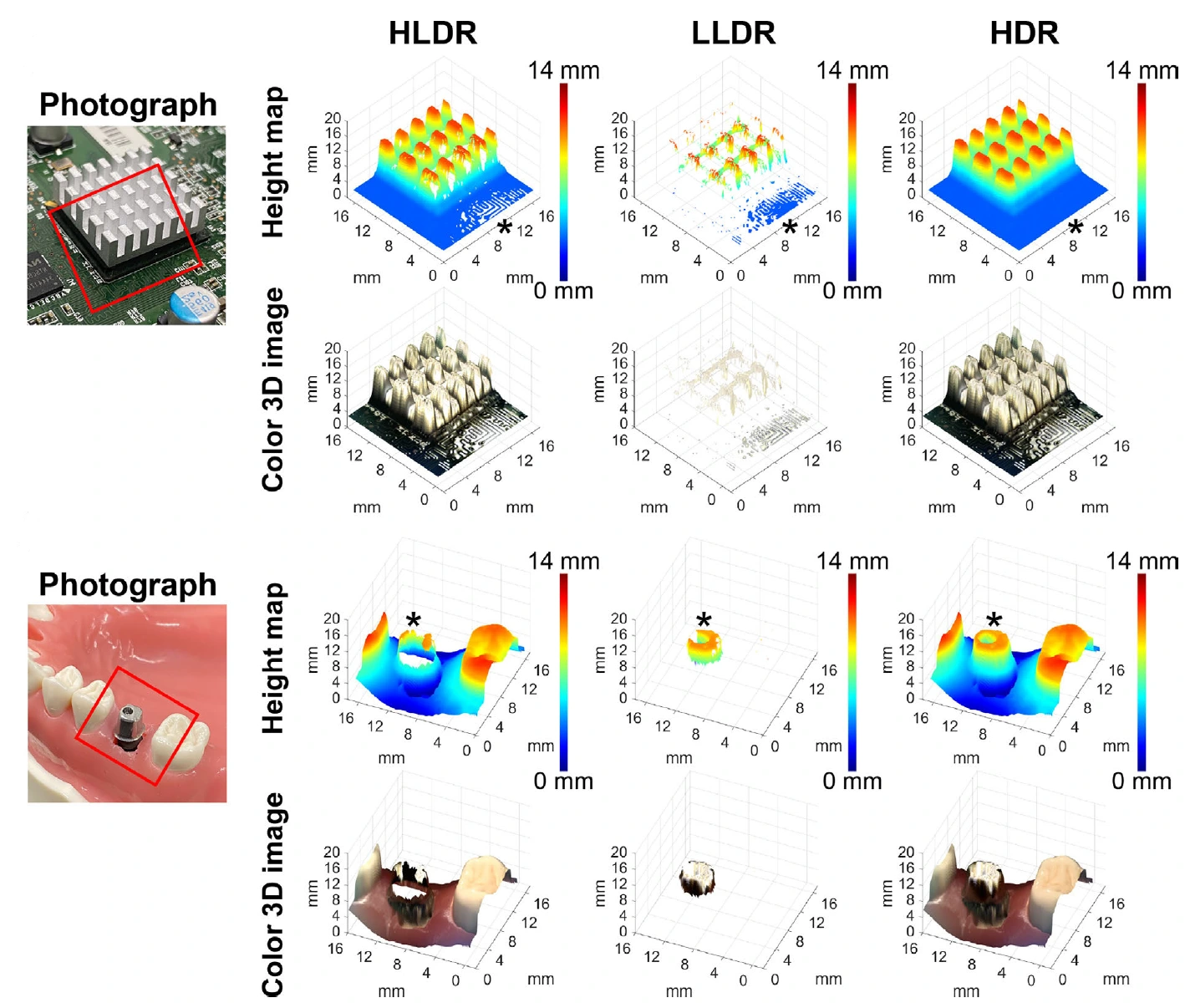
3D Surface & Precision Metrology
Measuring shape and detail without touching the surface.
Small, complex surfaces demand measurements that are both precise and efficient. We develop optical methods that reconstruct three-dimensional shape and resolve subtle differences in height across a sample.
Our approach combines confocal detection, interferometry, and image processing to capture surface information across materials with different reflective properties. By bringing shape and color together, we create detailed representations for applications ranging from industrial inspection to biomedical measurement.
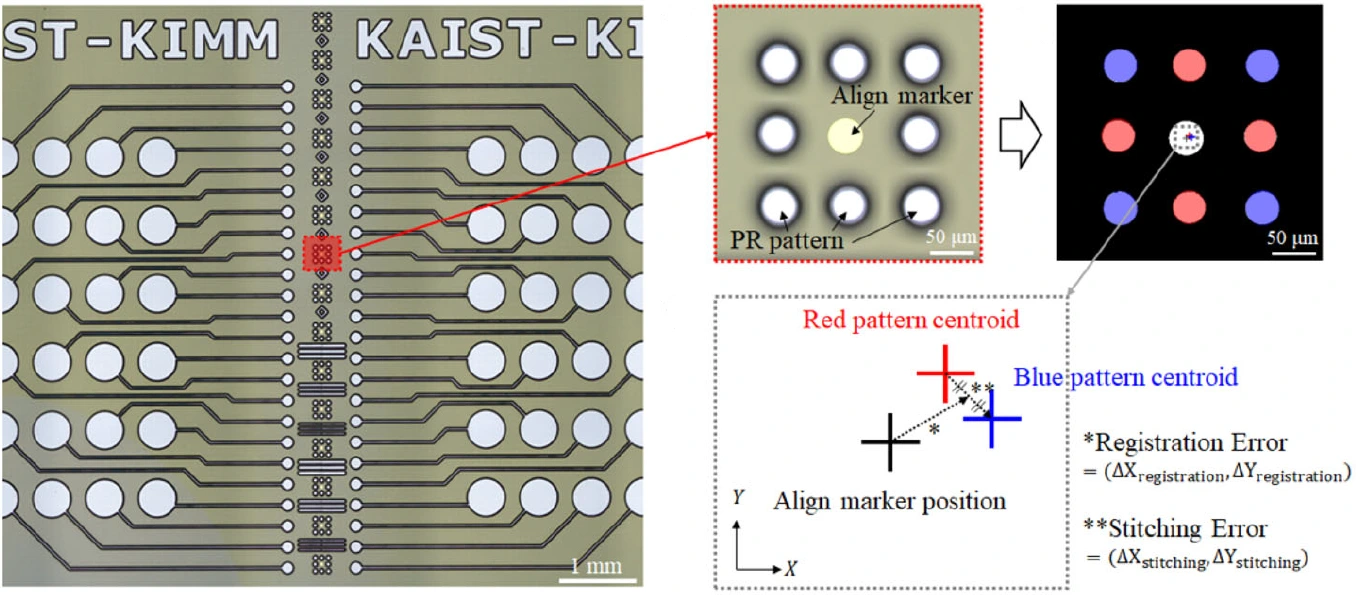
Optical Alignment & Deformation Measurement
Tracking small changes in position and shape.
Small shifts and deformations can make precise alignment difficult, especially when a sample moves during measurement. We develop camera-based optical methods that locate reference markers and measure how their positions change across a surface.
By combining synchronized image acquisition, optical calibration, and image processing, we turn these measurements into a map of in-plane displacement. This approach supports real-time tracking of substrate deformation and provides the information needed for accurate alignment.
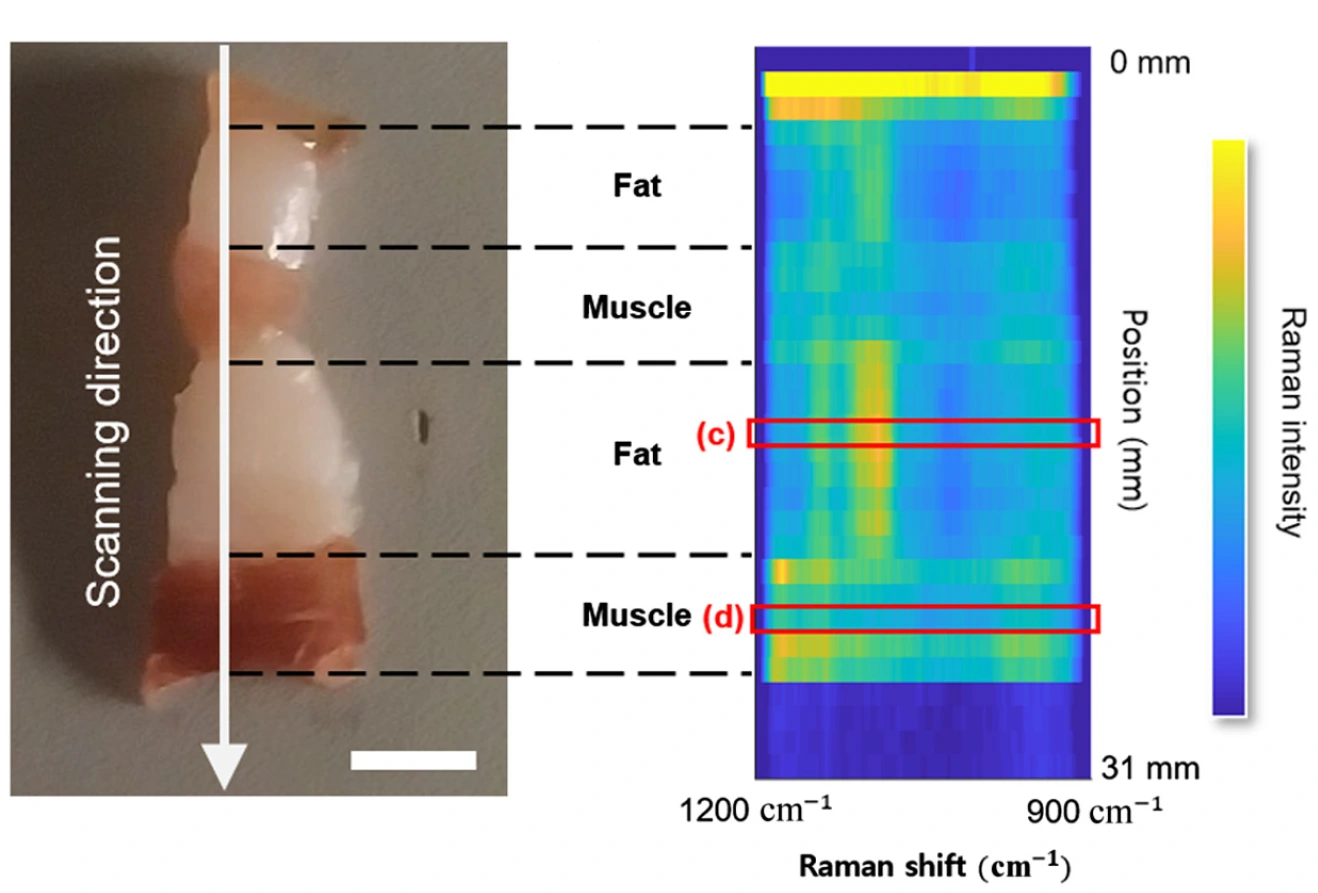
Spectroscopic & Material Characterization
Learning what a material is made of through its response to light.
Samples that look similar can have very different compositions and optical properties. We study how light interacts with materials to uncover information that appearance alone cannot provide.
Our research uses Raman spectroscopy and other optical measurements to analyze chemical signatures and local material properties. By improving instrument design and signal processing, we work toward practical ways to map composition and characterize both chemical and biological samples.